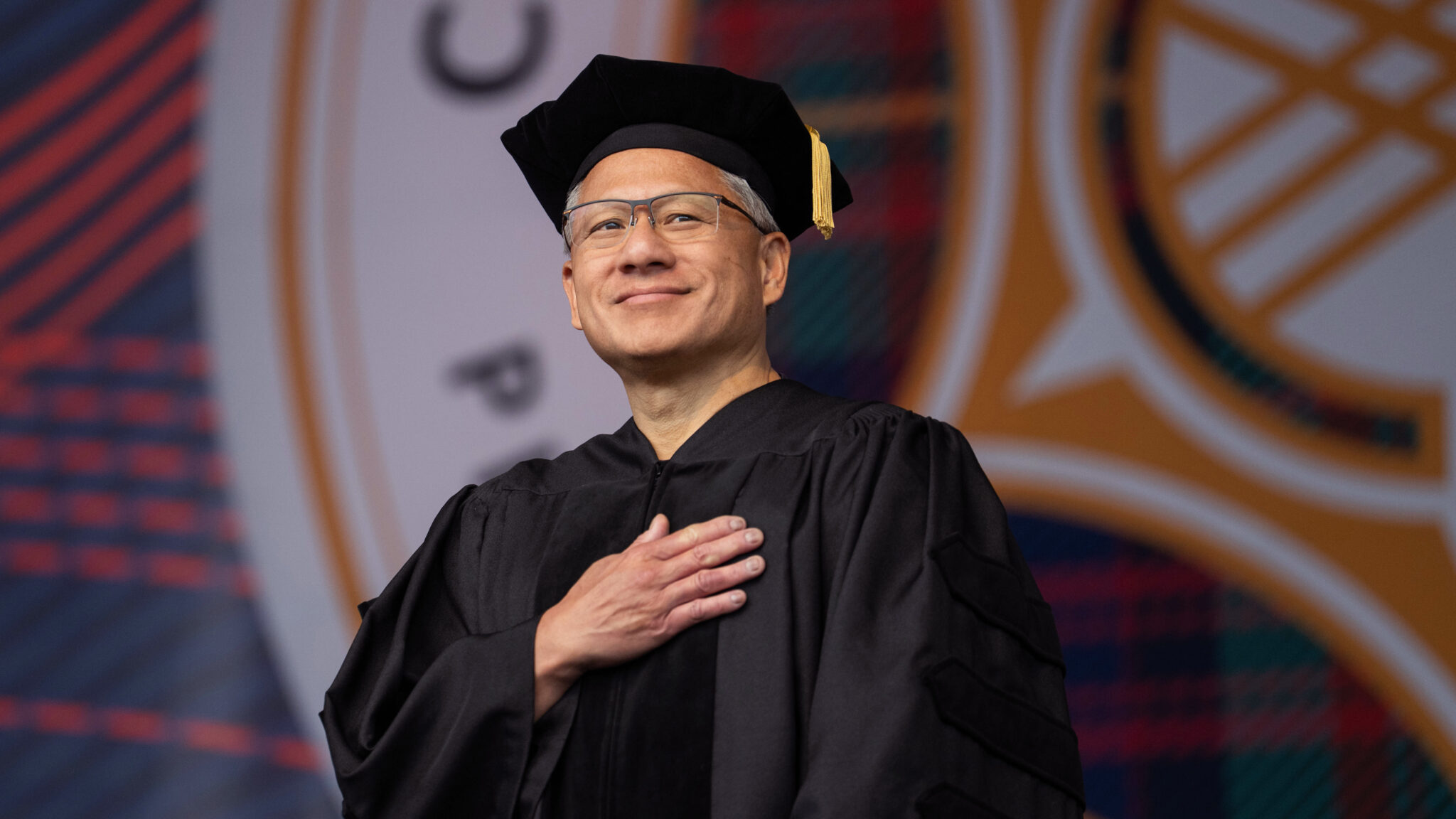
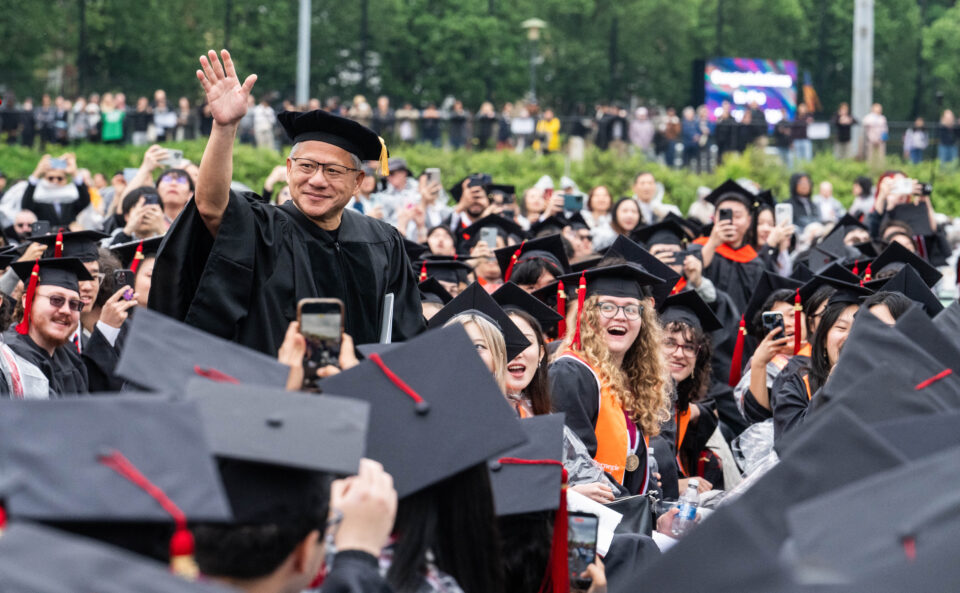
When Jensen Huang, founder and CEO of NVIDIA, stepped to the podium at Carnegie Mellon University’s 128th commencement ceremony, he didn’t just deliver a speech—he painted a vivid picture of the future. With rain falling on Gesling Stadium in Pittsburgh, Huang told graduates that they are entering the world at an extraordinary moment, one where a new industry is being born and a new era of science and discovery is beginning. Below are ten essential takeaways from that address, each offering a roadmap for navigating the AI revolution.
1. You Are Entering an Unprecedented Era
Huang began by emphasizing the unique timing of the graduates’ entry into the workforce. “No generation has entered the world with more powerful tools—or greater opportunities—than you,” he said. Drawing a parallel to his own start during the PC revolution, he noted that every major computing platform shift—PCs, the internet, mobile, and cloud—has led to this shared moment. But the AI revolution, he argued, is bigger than anything before because intelligence itself becomes foundational to every industry. Graduates are standing at the same starting line as the entire world, with the chance to shape what comes next. This moment is not just about technology; it is about human potential unleashed at scale.
2. AI Will Transform Every Industry
Huang stressed that AI’s impact will not be limited to tech companies. “What is about to happen now is bigger than anything before,” he said. “Because intelligence is foundational to every industry, every industry will change.” From healthcare and manufacturing to education and agriculture, no sector will remain untouched. This transformation creates a unique opportunity for graduates: they can apply AI to solve problems in fields that have long waited for innovation. Huang’s message was clear—those who understand AI’s potential to reshape core processes will lead the next wave of economic growth. The revolution isn’t coming; it’s already here, and the door is open for all.
3. The Timing Couldn’t Be More Perfect
Huang directly told the graduates that no graduating class is better primed to press the advantage. “For the first time, the power of computing and intelligence can truly reach everyone and close the technology divide,” he said. “Now it’s your time to realize your dreams—and the timing could not be more perfect.” This statement underscores a fundamental shift: AI democratizes access to powerful tools that were once reserved for specialists. Graduates, with their fresh perspectives and digital fluency, are ideally positioned to harness these tools from day one. Huang encouraged them to see the present as a launchpad, not a finish line.
4. The Largest Infrastructure Buildout in History Is Underway
Huang described AI as driving the largest technology infrastructure buildout in human history. He called it a “once-in-a-generation opportunity to reindustrialize America and restore the nation’s capacity to build.” This buildout includes data centers, AI chips, energy systems, and network upgrades—all requiring skilled workers across trades. The American dream of opportunity and reinvention is being rewritten in silicon and code. Huang’s point was that this isn’t just a digital shift; it’s a physical, tangible re-creation of how the country builds things. Graduates entering fields like engineering, logistics, and construction will find themselves at the center of this effort.
5. AI Makes Intelligence Accessible to Everyone
Huang underscored that AI is making intelligence more broadly accessible—reaffirming the imperative for AI to reach everyone, not just a select few. This accessibility extends across many industries and jobs, including electricians, plumbers, ironworkers, technicians, and all kinds of builders. The technology is not meant to replace people but to augment their abilities. For graduates, this means they can apply AI to elevate their own skills and those of the people around them. Huang’s vision is inclusive: the AI revolution should lift all boats, not just those in Silicon Valley. Graduates have a responsibility to ensure this happens.
6. This Is a New Industrial Era, Not Just a Tech Trend
Huang made a bold distinction: “AI is not just creating a new computing industry. It is creating a new industrial era.” He compared the current moment to the dawn of the Industrial Revolution, when steam power transformed every aspect of society. Similarly, AI will redefine production, supply chains, and even the nature of work itself. For graduates, this means they are not merely entering a job market—they are helping to build a new economic foundation. The scale of change will be massive, and those who embrace it early will shape the rules of the new industrial order. Huang urged them to see their careers as part of this larger, world-changing story.
7. Fear and Opportunity Go Hand in Hand
Huang acknowledged that massive industrial and economic shifts always bring uncertainty. “Every major technological revolution in history created fear alongside opportunity,” he said. “When society engages technology openly, responsibly and optimistically, we expand human potential far more than we diminish it.” This balanced view is crucial for graduates who may worry about job displacement or ethical dilemmas. Huang’s advice: don’t hide from the fear, but lean into the opportunity. By engaging with AI proactively, graduates can help steer its development toward positive outcomes. The key is to remain optimistic but vigilant, using their education to navigate complexity.
8. Graduates’ Moms Deserve a Shout-Out
In a lighthearted yet heartfelt moment, Huang encouraged graduates to turn to their mothers and wish them a happy Mother’s Day (the speech occurred on Mother’s Day). This simple act connected the high-tech speech to universal human values. It also reminded the audience that behind every great achievement is a support system—family, mentors, and communities. For graduates, it was a call to remember where they came from as they step into the future. Huang’s gesture showed that even in an era of rapid technological change, gratitude and connection remain essential. The AI revolution is built not just on code, but on human relationships.
9. This Generation Is Uniquely Positioned to Lead
Huang argued that this graduating class is better positioned than any before it. Why? Because they are the first to grow up with AI as an everyday tool. Their familiarity with data, algorithms, and digital collaboration gives them a head start. Moreover, the AI revolution is still in its early stages, meaning there are no established players—just pioneers. Huang essentially told the graduates: “The playing field is level. It’s up to you to make your mark.” This message of empowerment resonated strongly with a generation that often feels burdened by global challenges but now sees a clear path to making a difference.
10. Your Career Starts Now—Make It Count
Huang closed by reinforcing the core theme: “Your career starts at the beginning of the AI revolution.” He urged graduates to embrace the uncertainty, use the powerful tools at their disposal, and actively shape the new world being built. The opportunities in AI extend beyond tech roles—they include anyone willing to learn, adapt, and apply intelligence in new ways. Huang’s final message was both a challenge and an invitation: this is your moment to help shape what comes next. The future is not something to wait for; it’s something to build. Graduates walked away knowing that their careers—and the world—are just getting started.
Jensen Huang’s commencement address at Carnegie Mellon University was more than a speech—it was a call to action. In an era defined by artificial intelligence, graduates have the rare chance to be both witnesses and architects of a new industrial revolution. The tools are powerful, the timing is perfect, and the potential is immense. As Huang said, “We are all standing at the same starting line.” The question now is not whether AI will change everything, but how each graduate will use it to build a better future. The AI revolution is here, and your career begins at its doorstep.