Wind energy is a cornerstone of the global transition to clean power, but its environmental footprint isn't always black and white – or, in this case, white and grey. A leading Danish wind energy company is launching a novel experiment: painting one blade of certain offshore turbines red to see if this simple visual cue can reduce bird collisions. This article unpacks ten crucial aspects of this initiative, from the science behind avian vision to the potential ripple effects for the entire renewable energy industry.
1. The Bird Strike Challenge in Wind Farms
Bird collisions with turbine blades are a well-documented concern for wind farm operators and conservationists. While the overall number of bird deaths from wind energy is far lower than those caused by cats, buildings, or vehicles, the issue still demands attention – especially for protected or endangered species. Studies show that collision rates vary widely depending on location, turbine design, and local bird populations. Offshore turbines, which are often larger and located in major migratory routes, pose unique risks. The problem isn't just the blades themselves; the white or grey colour commonly used for turbines can make them blend into cloudy skies, reducing their visibility to birds. This has spurred research into more conspicuous designs, including painting blade tips or even entire blades in dark colours.
2. The Danish Wind Giant at the Forefront
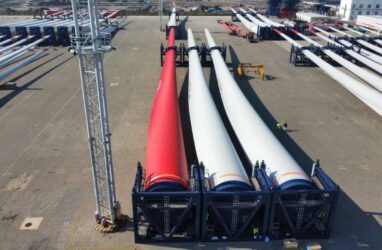
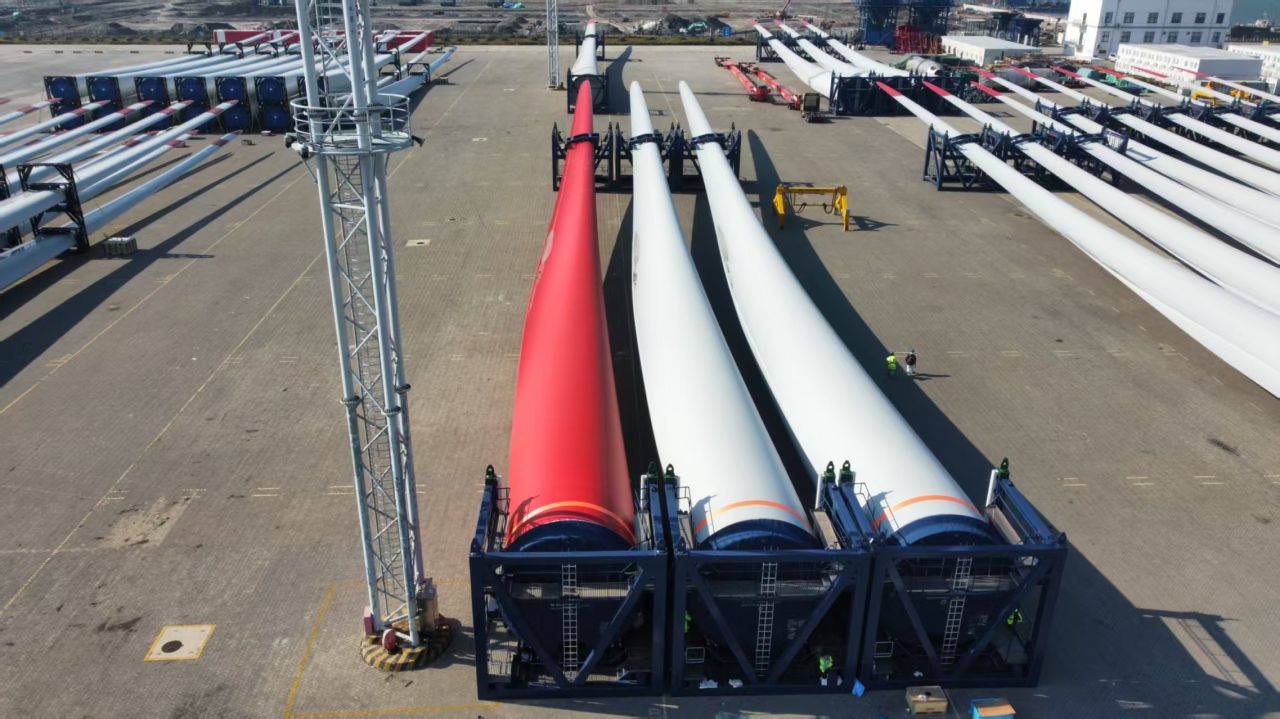
The company behind this trial is none other than Ørsted, a world leader in offshore wind energy. With a strong track record in sustainability, Ørsted has previously invested in various wildlife-protection measures, such as painting turbine foundations to deter seals and using sound-deterrents for fish. The red-blade experiment is part of the company's broader commitment to achieving a “net-positive” biodiversity impact by 2030. By choosing a Danish offshore wind project – likely the Hornsea or Anholt sites – Ørsted is leveraging its expertise and demonstrating that even small, seemingly simple changes can be tested rigorously in real-world conditions. The trial involves applying one red blade to “a handful” of turbines, a carefully controlled approach to gather statistically significant data on bird collisions and flight behaviour.
3. Why Red? The Science of Avian Vision
Birds have tetrachromatic vision, meaning they see a broader spectrum of colours than humans, including ultraviolet light. However, contrast and brightness are often more important than colour itself. Red, being a high-contrast colour against most natural backgrounds (blue sky, white clouds, green water), is likely to catch a bird's eye more effectively than the standard grey or white. Earlier studies on land-based turbines, particularly in Norway and Spain, tested black-and-white blade patterns or red tips with mixed results. The key is creating a pattern that birds recognise as an obstacle rather than a moving object. Painting a single red blade creates a striking asymmetry, which may trigger an avoidance response. The trial will monitor whether birds alter their flight paths or reduce the number of close calls.
4. Not the First: Past Experiments and Their Findings
The idea of colouring turbine blades to prevent bird strikes isn't new. In 2013, a study at the Smøla wind farm in Norway painted one blade of four turbines black, and found a 70% reduction in bird fatalities compared to unpainted turbines. That result was promising but limited by small sample size and a specific bird population (white-tailed eagles). Other experiments in Spain and the United States have used ultraviolet coatings or spiral patterns, but few have been scaled up. Ørsted's trial builds on these foundations, using modern monitoring technology like high-resolution cameras and radar to accurately record interactions. The company will run the test over at least two migration seasons, ensuring robust seasonal variations are captured.
5. The Trial Setup: What We Know So Far
Details of the experiment are still emerging, but Ørsted has confirmed that a limited number of turbines at an existing offshore wind farm will receive the red blade treatment. The choice of red – a specific shade designed for maximum visibility – was made in consultation with ornithologists. The turbines will be equipped with automated detection systems such as thermal cameras and acoustic sensors to track bird activity around painted and control turbines. Personnel will also conduct regular ground surveys (and perhaps drone surveys) to count any collision fatalities. The trial is expected to run for at least 12 months, with interim results shared publicly. If successful, the company may expand the treatment to more turbines and even integrate the lesson into future turbine design specifications.
6. Potential Benefits Beyond Bird Safety
Reducing bird collisions has clear ecological and ethical advantages, but there are also economic and operational benefits for wind farm operators. Fewer collisions mean less maintenance downtime to remove bird remains or repair blade damage. It also enhances the company's social license to operate, especially in regions where environmental groups have opposed wind farms due to bird mortality. Moreover, if the red-blade design becomes a proven low-cost measure, it could be retrofitted into existing farms worldwide without expensive redesign. This trial could provide a dual win: protecting wildlife while improving public perception and reducing long-term costs.
7. Critiques and Considerations: Potential Drawbacks
Some experts caution that painting one blade red may not be a panacea. Birds can habituate to visual warnings over time, especially if the pattern remains static. There's also the issue of aesthetics – red blades against the sky might be considered visually intrusive by coastal communities, potentially sparking new opposition. Additionally, painting large turbine blades requires specialised paint that can withstand UV radiation, salt spray, and high wind speeds, which adds manufacturing complexity and cost. The trial must also account for species-specific responses: what works for seabirds might not work for migratory songbirds. Despite these challenges, the scientific community largely agrees that controlled experiments like this are essential to separate effective solutions from guesswork.
8. Regulatory and Industry Implications
If Ørsted's results are positive, they could influence environmental impact assessments for future offshore wind projects. Regulatory bodies in Europe, the US, and Asia might begin to require blade marking or offer fast-track approvals for farms that adopt bird-friendly designs. Industry standards, such as those from the Global Wind Energy Council, could also evolve to include recommended colour schemes. The trial could even pave the way for more advanced solutions, such as dynamic lighting that dims when birds are detected nearby. By sharing data openly, Ørsted is setting a precedent for collaboration that speeds up innovation across the sector.
9. Broader Conservation Efforts in Wind Energy
Blade colour is just one tool in a growing toolkit for making wind farms safer for wildlife. Other measures include curtailment (slowing or stopping blades during high bird activity), acoustic deterrents that play bird alarm calls, and radar-based shutdown systems that automatically stop turbines when birds approach. Some developers are even exploring “bird-friendly” wind farm layouts that align turbines with natural flight corridors. The red-blade trial complements these efforts, and a combination of strategies will likely be needed for maximum protection. Ørsted has also invested in habitat restoration at its projects, such as building artificial nesting sites for seabirds – showing a holistic approach to biodiversity.
10. What This Means for the Future of Renewable Energy
The success of the red-blade experiment could mark a turning point in how the industry addresses its environmental footprint. As wind turbines keep getting larger (some offshore models now exceed 300 meters in height), the collision risk grows. Proactive mitigation measures like this help ensure that the clean energy transition doesn't come at an unacceptable cost to wildlife. If the trial confirms that a simple paint job can significantly reduce bird fatalities, it will be one of the most cost-effective conservation actions in the energy sector. Ultimately, this project highlights the importance of curiosity-driven innovation: sometimes the most impactful solutions are those that haven't yet been tried at scale.
In conclusion, Ørsted's trial of red turbine blades is a small but meaningful step toward reconciling wind power with bird conservation. It shows that the renewable industry is willing to experiment and adapt, learning from its own impacts. While challenges remain, the potential benefits – for wildlife, companies, and communities – are enormous. As this experiment unfolds, it will be watched closely by scientists, regulators, and environmentalists alike, all hoping for a simple, scalable fix that keeps birds safe and turbines spinning.