Overview
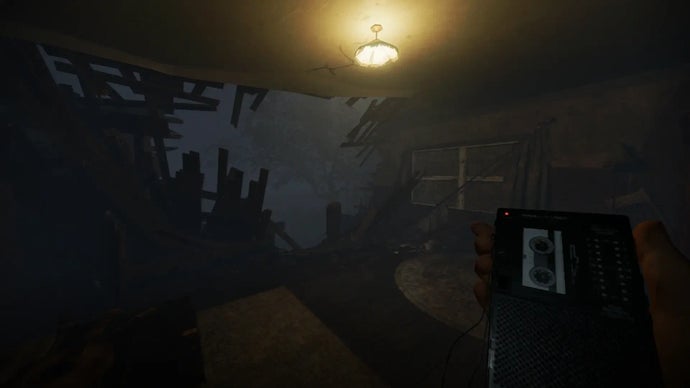
When a game update misses the mark, the fallout can be devastating. Trust, built over months or years, can evaporate in a single patch. In early 2025, Phasmophobia developer Kinetic Games faced exactly that situation after releasing their long-awaited Player Character Update. The update introduced new character models and animations but was met with sharp criticism from the community for bugs, lack of polish, and broken promises. Kinetic Games openly admitted they 'missed the mark' and pledged 'to earn back this community's trust.' This guide takes that real-world case and transforms it into a step-by-step playbook for developers seeking to rebuild credibility after a disappointing release. Whether you're a solo indie dev or part of a small studio, these principles apply.
Prerequisites
Before diving into the recovery process, ensure your team is prepared with the following:
- Open communication channels – A public forum (Steam, Discord, official website) where you can post updates and respond to feedback.
- Internal accountability – A clear understanding within your team that admitting fault is not failure, but a first step toward growth.
- Basic version control – You’ll need to quickly roll out patches or revert changes if needed.
- Data on the update’s reception – Bug reports, player reviews, and sentiment analysis to pinpoint specific issues.
Step-by-Step Instructions
1. Acknowledge the Failure Publicly and Unambiguously
The first move after a botched update is to issue a sincere, specific apology. Kinetic Games did this by stating they 'missed the mark' and failed to deliver on promises. Avoid vague language like 'we hear you'—instead, name exactly what went wrong: 'We broke character lighting, introduced clipping issues, and removed features players loved.' This shows you understand the problem from their perspective.
2. Outline a Concrete Plan to Fix the Issues
An apology without a plan is just empty words. Lay out a timeline for patches, hotfixes, or feature reversions. For example, 'We will roll back the character lighting changes within 48 hours and release a full rework in two weeks.' Include specific deliverables and estimated dates. Use bullet points in your communication to make it scannable:
- Fix A: Revert broken animations – by Friday.
- Fix B: Restore missing clothing options – next patch.
- Fix C: Improve performance on low-end GPUs – within 10 days.
3. Open a Direct Feedback Loop
Create a dedicated space (e.g., a #player-character-update-feedback channel in your Discord) where players can report issues and vote on priorities. Assign a community manager to respond to every top comment within 24 hours. This demonstrates that you are listening and acting on feedback in real time.
4. Deliver Early, Small Wins
Nothing rebuilds trust faster than seeing promises kept. Prioritize quick, low-risk fixes first—even if they are minor. A hotfix that resolves one annoying bug shows momentum. In the Phasmophobia case, that could mean fixing the character model's floating arms issue within days. Celebrate each fix with a short devlog explaining how you resolved it.
5. Involve the Community in the Recovery
Turn your harshest critics into collaborators. Run a limited public beta of the fixed update, or post a poll asking which feature to prioritize next. Kinetic Games could have said, 'We’re releasing a test build with the revised character system tomorrow. Please help us validate it before we push to main.' This transforms detractors into co-developers and reduces hostility.
6. Revisit and Revise Your Development Promises
If initial promises proved unrealistic (e.g., 'We will completely overhaul all 50 character models in one month'), break them into smaller, honest commitments. Update your public roadmap to reflect realistic timelines. Over-promising is often the root cause of 'missing the mark.'
7. Follow Up with a Long-Term Trust-Building Strategy
Recovery isn’t a one-week sprint. Schedule monthly progress updates, even on slow months. Share behind-the-scenes development logs, Q&A sessions, and transparent postmortems of what went wrong. This consistent communication, as kinetic Games pledged, 'to earn back this community's trust,' must persist for months or even longer.
Common Mistakes Developers Make
Ignoring the Outcry
Silence is often perceived as arrogance. Players assume you don’t care if you don’t acknowledge the issue within 48 hours. Kinetic Games avoided this by issuing their apology quickly, but many studios go radio silent, making matters worse.
Defensive Apologies
Saying 'We’re sorry you feel that way' shifts blame onto the player. Instead, own the fault entirely: 'We caused this problem, and we will fix it.' The Phasmophobia statement exemplified this by saying 'we didn’t deliver on our promises' rather than blaming external factors.
Overpromising in the Fix Plan
In the eagerness to appease, developers often promise more than they can deliver. If you say 'all issues will be resolved in two weeks' but only fix half, you’ll damage trust again. Be conservative in your timelines and under-promise.
Neglecting Internal Communication
If your community manager isn’t looped in with the dev team, official responses may contradict ongoing work. Ensure your developers attend feedback meetings to avoid mixed messages like 'We’re working on it' while actually prioritizing a different feature.
Stopping Communication After the Fix
Once the hotfix hits, some studios go silent again. This suggests the apology was just damage control. Continual engagement—even after the crisis—is essential to rebuild lasting trust.
Summary
Rebuilding trust after a failed update is a deliberate, multi-step process that demands honesty, actionable plans, and sustained communication. Kinetic Games’ public apology for the Phasmophobia Player Character Update provides a textbook example of how to take the first step: admitting failure without excuse. By following the steps outlined in this guide—acknowledge, plan, engage, deliver small wins, involve the community, revise promises, and maintain long-term transparency—any development team can begin the journey to mend a damaged relationship with its players. Remember: trust broken instantly takes time to rebuild, but a sincere, methodical approach is the only path forward.