Introduction
In 2006, a low-budget horror-comedy about alien worms quietly slithered into theaters, barely making a splash at the box office. ‘Slither’—directed by a then-unknown James Gunn—earned just over $12 million worldwide against a modest $15 million budget. Yet two decades later, the film has transformed into a beloved cult classic, revered for its cheeky humor, practical effects, and sharp genre fusion. More importantly, it served as Gunn’s calling card, proving that even a box office miss could herald a major directorial talent.
A Low-Budget Sci-Fi Horror with a Twisted Heart
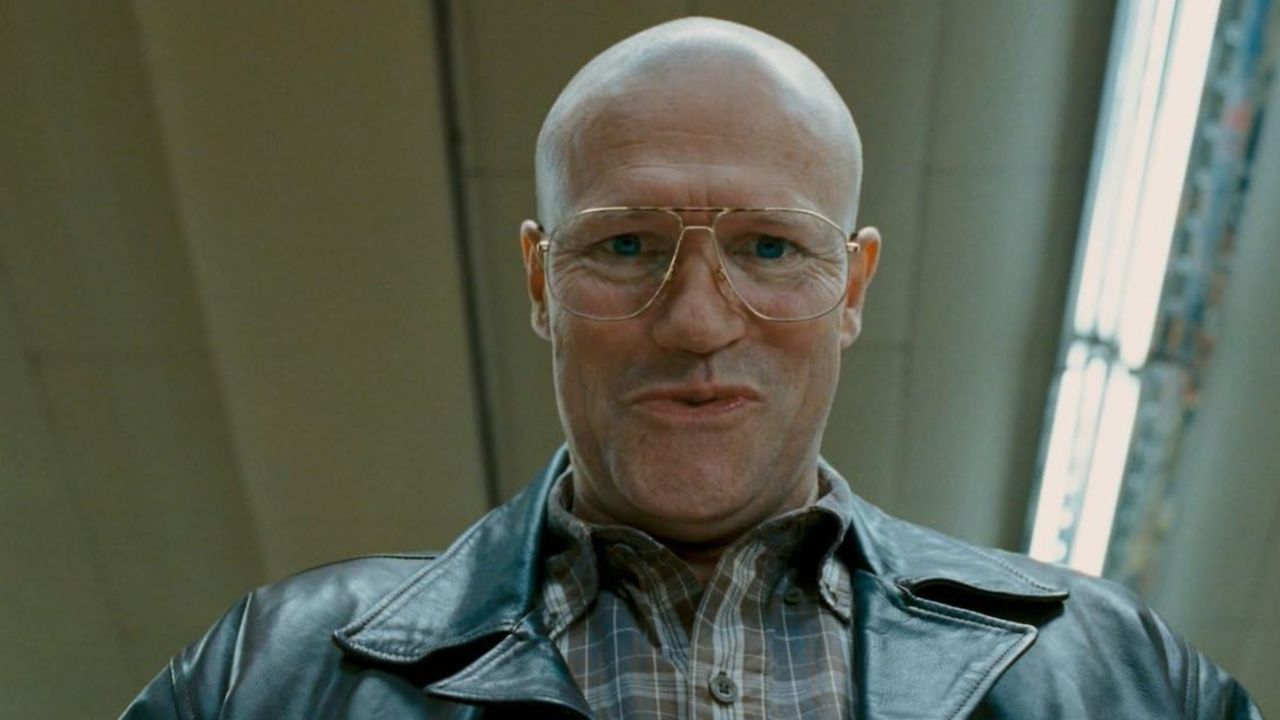
Set in the sleepy town of Wheelsy, South Carolina, Slither follows the invasion of a parasitic organism that turns humans into grotesque, hive-minded zombies. The creature arrives via a meteorite and infects the local wealthy jerk, Grant Grant (Michael Rooker), who then spreads the infection to the townspeople. The chaos is met by a ragtag group: Sheriff Bill Pardy (Nathan Fillion), the infected man’s wife Starla (Elizabeth Banks), and the foul-mouthed town mayor (Gregg Henry).
What sets Slither apart is its tone. Gunn balances jump scares with laugh-out-loud one-liners—a signature trait he would later refine in the Guardians of the Galaxy franchise. The film is an affectionate homage to 1950s B-movies and John Carpenter’s The Thing, complete with gooey practical effects and a monster that evolves from a slimy worm to a giant, pulsating hive. Its unapologetic blend of gross-out gags and character-driven comedy makes it a rare gem that appeals both to horror purists and casual viewers.
A Stellar Cast Before They Were Stars
Looking back, the ensemble is remarkable. Nathan Fillion—fresh off Firefly—delivers his trademark wisecracking charm as the reluctant hero. Elizabeth Banks brings earnest vulnerability, while Michael Rooker is gleefully monstrous. Also notable is a pre-Breaking Bad Michael Rooker (though he’s best known as Yondu in Gunn’s Guardians), and a young Jennifer Copping as a memorable victim. This early collaboration with Rooker and Fillion foreshadowed Gunn’s tendency to cast actors he trusts repeatedly.
James Gunn's Directorial Debut and Vision
Before Slither, James Gunn was primarily a screenwriter for Scooby-Doo and the Dawn of the Dead remake. With his directorial debut, he aimed to create a film that merged his love for horror with irreverent comedy. Gunn wrote the script over several years, drawing from Night of the Creeps, Invasion of the Body Snatchers, and his own offbeat sensibilities. The result was a film that felt both nostalgic and fresh.
Gunn’s directing style already showed hallmarks of his later work: rapid-fire dialogue, empathetic villains, and a rockin’ soundtrack (the film songs by artists like The Webb Sisters). He also co-produced and edited the movie, exerting tight control over its tone. Slither may not have made money, but it caught the attention of Marvel Studios, who later hired him to direct Guardians of the Galaxy. As Gunn himself said in interviews: “Slither was my audition.”
Critical Reception and Box Office Reality
Upon release, Slither received moderately positive reviews (72% on Rotten Tomatoes), with critics praising its energy and effects. Yet it opened at #10, grossing just $3.5 million in its first weekend. Competing against Ice Age: The Meltdown and The Hills Have Eyes, it struggled to find an audience. Distributor Universal did little marketing, and the film’s R-rating limited appeal. However, DVD and later streaming gave it second life, as word-of-mouth spread among horror-comedy fans.
It proved that box office isn’t everything. The film’s legacy grew as Gunn’s star rose. When Guardians of the Galaxy hit in 2014, fans revisited Slither and discovered its DNA: underdog characters, witty banter, and a quirky soundtrack.
Why ‘Slither’ Endures as a Cult Classic
Two decades on, Slither is celebrated for several reasons:
- Practical Effects: The slime, worms, and creature designs by the KNB EFX Group are tactile and gruesome—a stark contrast to today’s CGI-heavy horror.
- Re-watchability: The film’s script is tight, with callbacks and running gags that reward multiple viewings.
- Timeless Humor: Gunn’s dialogue—filled with insults and pop-culture references—rarely feels dated.
- Community Love: Fans organize anniversary screenings, and the film has been referenced in shows like Community.
It also influenced a wave of horror-comedies, from Tucker and Dale vs. Evil to Cabin in the Woods. Gunn’s debut showed that horror and comedy can coexist without cheapening either genre.
The Stepping Stone to ‘Guardians of the Galaxy’
Perhaps the most significant aspect of Slither’s legacy is its role in James Gunn’s career. When Marvel needed a director to bring a talking raccoon and tree to life, they saw Gunn’s ability to handle bizarre creatures and emotional arcs. The same hands that directed a grotesque alien worm also shaped Groot and Rocket. Actors like Michael Rooker (Yondu) and Nathan Fillion (who appeared in a Guardians cameo) bridged both worlds.
In 2026, as the film turns 20, it’s worth remembering that great cinema isn’t always about box office records. Sometimes, a slimy little worm seeds an entire universe.
Conclusion
Twenty years later, Slither stands as a testament to James Gunn’s raw talent and the enduring appeal of scrappy, heartfelt genre films. It may have been ignored in theaters, but it has earned a permanent home in cult movie history. Whether you revisit it for the laughs, the squirms, or the hints of greatness to come, Slither proves that even a flop can leave a lasting mark.