Breaking: Meta Launches BOxCrete – An AI Model to Design Stronger, Domestic Concrete Mixes
Meta has released a new open-source artificial intelligence model designed to optimize concrete mix formulations, with a specific focus on enabling U.S.-produced cement. The announcement, timed with the 2026 American Concrete Institute (ACI) Spring Convention, aims to address a critical vulnerability in America’s construction supply chain.
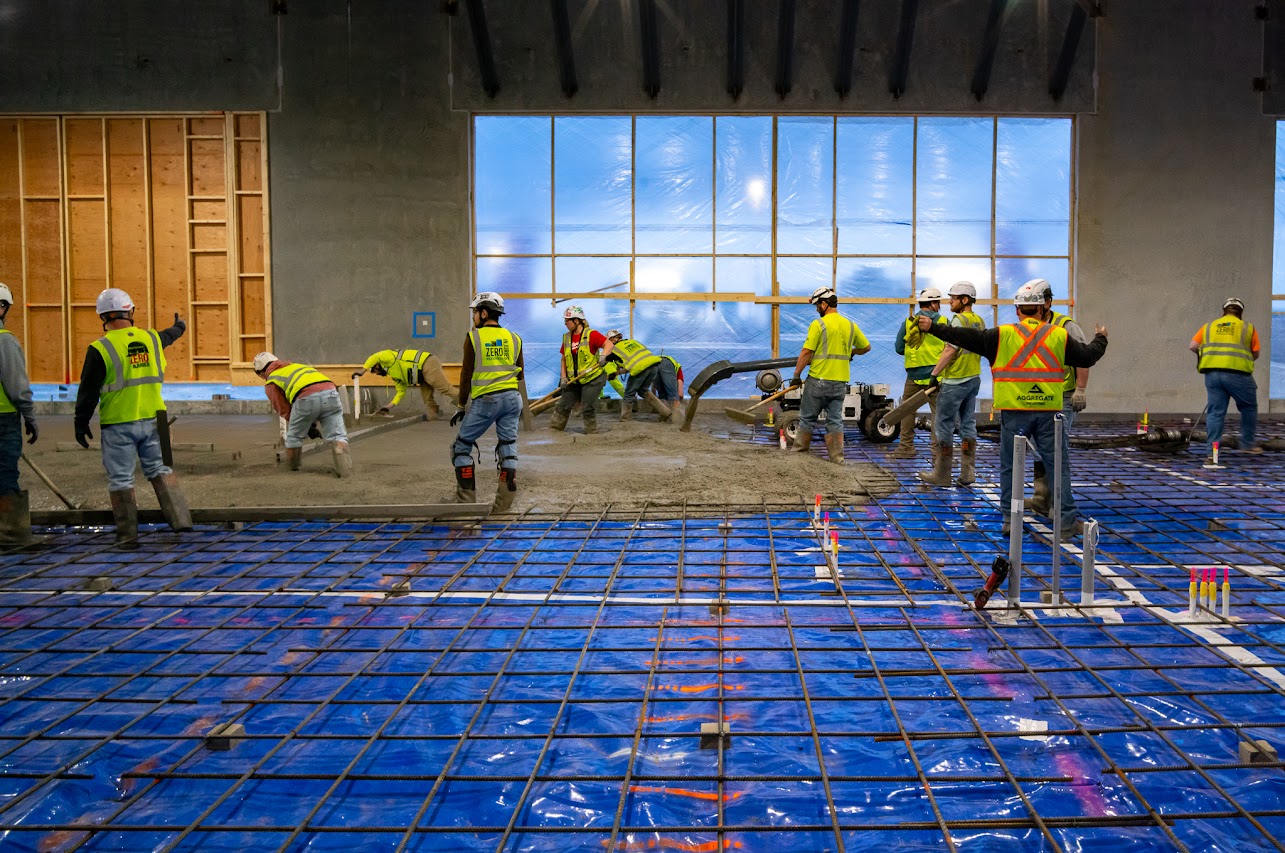
The model, called Bayesian Optimization for Concrete (BOxCrete), along with the foundational data used to develop award-winning mixes, is now available on GitHub. This tool allows concrete suppliers to rapidly test and validate formulations that meet performance, cost, and sustainability requirements while favoring domestic materials.
“This is about giving U.S. concrete producers a digital shortcut to innovation,” said Dr. Elena Marchetti, Meta’s Director of Infrastructure Sustainability. “Instead of months of trial-and-error in the lab, BOxCrete can suggest viable American-made mixes in days, strengthening both our infrastructure and our economy.”
Background: The Concrete Supply Gap
Every year, the United States pours roughly 400 million cubic yards of concrete—enough to pave a two-lane highway around the Earth multiple times. Yet despite producing most of its ready-mix concrete domestically, the U.S. imports 20–25% of its cement, exposing the industry to supply chain disruptions and foreign manufacturing standards.
Traditional concrete mix design relies heavily on engineer intuition and lab experiments. But different cements have different chemistries; a mix that works with one type may fail with another. This makes it slow and expensive for U.S. producers to incorporate American-made cementitious materials, especially when performance and environmental standards vary internationally.
What This Means: A Boost for Reshoring and Jobs
The AI model directly addresses the economic toll of cement imports. Reshoring and foreign direct investment have brought over 1.1 million manufacturing jobs back to the U.S. since 2020, and each dollar spent in manufacturing adds $2.69 to the economy. The cement and concrete sector alone contributes more than $130 billion annually and supports roughly 600,000 jobs.
By enabling faster adoption of U.S.-sourced cement, BOxCrete could help reclaim the approximately 23% of domestic demand currently met by imports. “Every mix design we can shift to American cement is a direct investment in U.S. jobs and energy independence,” noted Marcus Ilg, a structural engineer at ACI.
How BOxCrete Works
The model uses Bayesian optimization to balance competing requirements: strength, workability, setting time, cost, and environmental footprint. Suppliers input their local materials—including American-made cement—and the AI generates optimized blend recipes.
- Speed: Reduces mix design from months to days.
- Domestic focus: Prioritizes U.S.-produced cement and supplementary materials.
- Open source: Available on GitHub for free use and customization.
Real-World Impact and Recognition
Meta and its partners have already received several industry awards for pioneering these AI-designed concrete mixes. The open-source release is expected to accelerate adoption among small and mid-sized producers who lack in-house R&D labs.
Internal Anchor: About the BOxCrete Model
BOxCrete stands for Bayesian Optimization for Crete (a nod to concrete). It learns from existing mix data and predicts optimal formulations by balancing multiple objectives. The model is released under a permissive license, encouraging collaboration between academia, industry, and government labs.
Internal Anchor: Strengthening U.S. Concrete Supply Chains
With imported cement often not complying with U.S. performance and environmental standards, the model provides a practical pathway for producers to “reshore” their supply chains. Industry experts estimate that widespread adoption could reduce cement imports by up to 10 percentage points within five years, securing hundreds of thousands of domestic jobs.
Looking Ahead
Meta plans to continue refining BOxCrete with feedback from the concrete industry. The company says future versions will incorporate embodied carbon calculations and regional material databases, further aiding the push for sustainable, American-made infrastructure.
“This is a textbook example of how AI can solve a real-world manufacturing challenge—not just for big tech, but for the backbone of America’s built environment,” concluded Marchetti.