Breaking News: Prediction Markets Fuel Gambling Relapses, Clinicians Say
Clinicians treating gambling addiction are sounding the alarm: prediction markets like Kalshi and Polymarket are causing relapses among patients who had banned themselves from traditional sportsbooks. Two recovering addicts—a soccer coach and a tax accountant—told The Associated Press they lost significant money on these platforms after blocking access to sports betting. The reports intensify a growing regulatory debate over whether prediction markets should be treated like stock exchanges or gambling sites.
Patient Stories: Same High, Same Ruin
The soccer coach, who spoke on condition of anonymity, first gambled at age 16. By 18, he was in casinos and sportsbooks. After racking up debts, he discovered prediction markets. “That was how I relapsed — with Kalshi and Polymarket. I lost a bunch of money,” he said. The tax accountant echoed the experience: “I got the same high” from prediction markets as from gambling. Both had voluntarily blocked themselves from sportsbooks but found no barriers on these newer platforms.
Background: The Regulatory Gray Zone
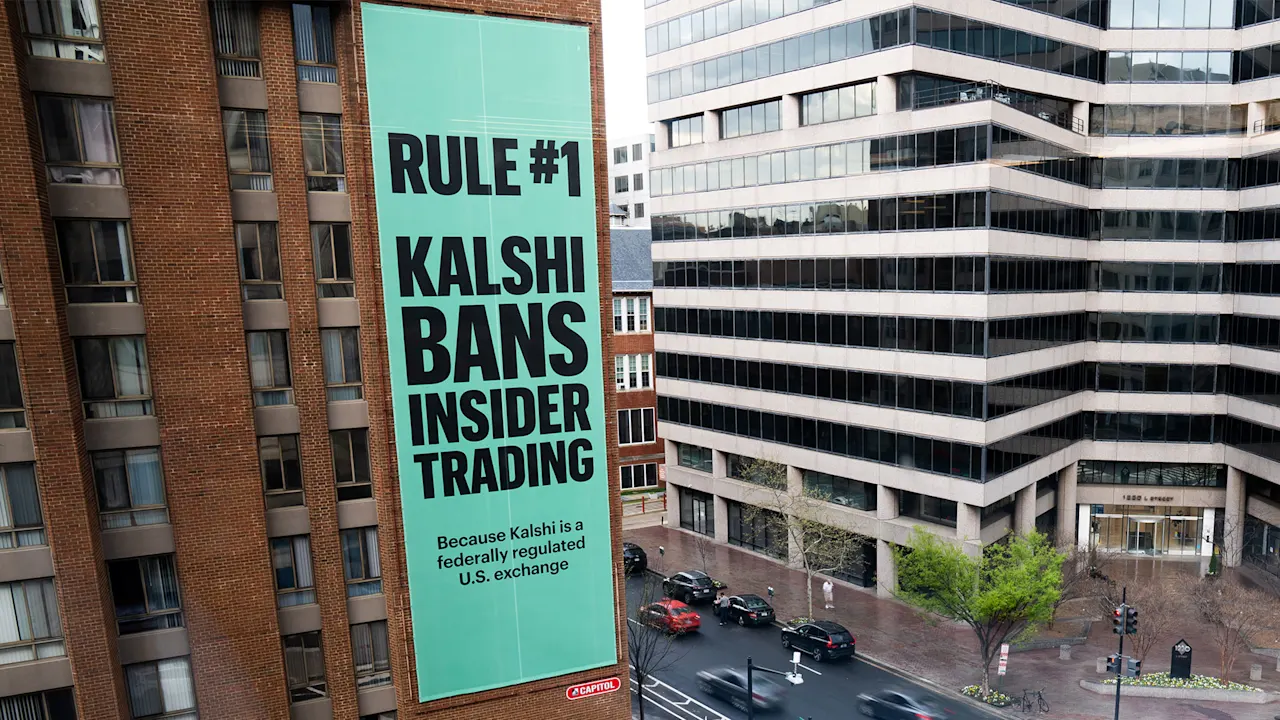
Prediction market operators argue they are distinct because they use a customer-to-customer exchange model, akin to stock trading, and fall under federal commodities law. Sportsbooks and state regulators push back, noting the wagering on real-world events—sports, elections, weather—is functionally gambling. The Commodity Futures Trading Commission has been asked to intervene, but no ruling has ended the impasse. Meanwhile, platforms like Polymarket have seen explosive growth during the 2024 election cycle.
How They Compare
Sportsbooks set odds and profit when bettors lose. Prediction markets let users trade yes/no contracts, with prices fluctuating based on demand. Payouts depend on market consensus, not house odds. But for addicts, the ritual is identical: anticipation, action, and often financial devastation.
What This Means for Treatment
Dr. Cynthia Grant, vice president of clinical services at Birches Health, treats patients for gambling disorders nationwide. She says, “There may be real differences in how these products are defined or regulated, but in the therapy room, we are often seeing the same cycle of anticipation, action and reaction play out again and again.” She compares it to “different doors into the same room. The label on the door may change, but once someone’s inside, the experience can feel very familiar.”
For recovering addicts, the lack of consistent safeguards across platforms makes self-exclusion programs ineffective. The soccer coach and tax accountant both relapsed after thinking they had limited their access. The findings underscore the need for uniform regulation that prioritizes consumer protection, regardless of what the platform calls itself.
Urgent call to lawmakers: As prediction markets grow, so does the evidence that they mirror sportsbooks in their addictive potential. The clinical community urges regulators to close the loophole before more individuals fall into the same trap.